


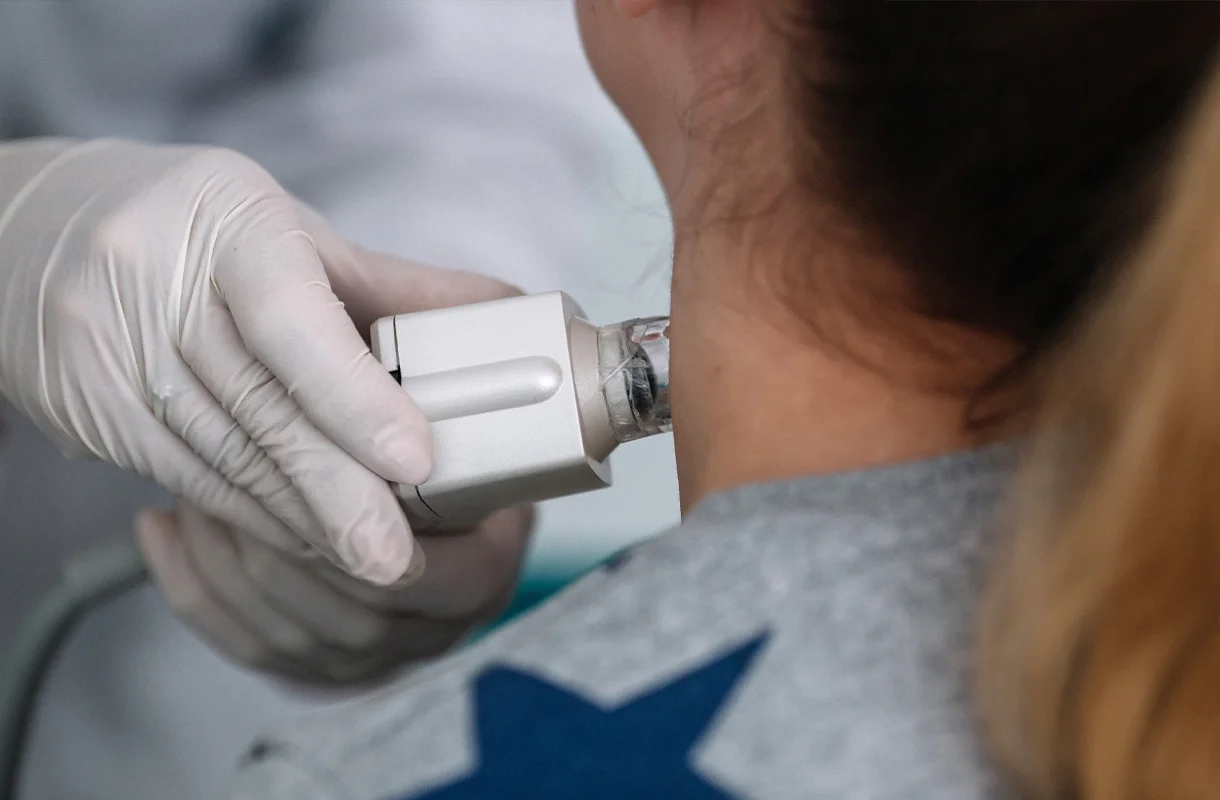
In dermatology, the quality of a diagnosis is inextricably linked to the quality of the image. When evaluating lesions or inflammatory conditions, practitioners rely on high-fidelity visual data to detect subtle patterns in vascularity and pigmentation.
To move beyond standard photography, modern dermatoscopic systems require sensors designed for high-precision medical imaging.
1. 𝗧𝗵𝗲 𝗡𝗲𝗰𝗲𝘀𝘀𝗶𝘁𝘆 𝗼𝗳 𝗣𝗼𝗹𝗮𝗿𝗶𝘇𝗲𝗱 𝗜𝗺𝗮𝗴𝗶𝗻𝗴
One of the biggest hurdles in skin imaging is surface reflection. The outer layer of the skin reflects light in a way that creates glare, masking the deeper structures clinicians need to see.
• 𝗢𝗻–𝗖𝗵𝗶𝗽 𝗣𝗼𝗹𝗮𝗿𝗶𝘇𝗮𝘁𝗶𝗼𝗻: Utilizing sensors with integrated wire-grid polarizers allows for cross-polarized imaging. This effectively filters out surface glare, allowing the camera to “see through” the epidermis to the dermal-epidermal junction.
• 𝗚𝗹𝗮𝗿𝗲 𝗥𝗲𝗱𝘂𝗰𝘁𝗶𝗼𝗻: This technology eliminates the need for messy immersion oils or contact-based imaging, enabling faster and more hygienic “non-contact” examinations.
2. 𝗠𝘂𝗹𝘁𝗶–𝗦𝗽𝗲𝗰𝘁𝗿𝗮𝗹 𝗜𝗺𝗮𝗴𝗶𝗻𝗴 & 𝗦𝗼𝗻𝘆 𝗦𝗲𝗻𝘀𝗼𝗿 𝗜𝗻𝘁𝗲𝗴𝗿𝗮𝘁𝗶𝗼𝗻
Standard RGB sensors are designed to mimic human vision, but many clinical markers are more visible in specific wavelengths.
• 𝗕𝗲𝘆𝗼𝗻𝗱 𝗥𝗚𝗕: Sony’s specialized sensor architectures, specifically multi-spectral and high-resolution global shutter models, allow for the capture of data across a broader range of the spectrum.
• 𝗡𝗜𝗥 & 𝗦𝗪𝗜𝗥 𝗨𝘁𝗶𝗹𝗶𝘁𝘆: Near-Infrared (NIR) and Short-Wave Infrared (SWIR) frequencies provide deeper penetration into the tissue. This can be particularly useful for highlighting blood vessels (hemoglobin) or identifying margins that are invisible to the naked eye.
3. 𝗘𝗻𝗴𝗶𝗻𝗲𝗲𝗿𝗶𝗻𝗴 𝗣𝗲𝗿𝗳𝗼𝗿𝗺𝗮𝗻𝗰𝗲 𝗳𝗼𝗿 𝗖𝗹𝗶𝗻𝗶𝗰𝗮𝗹 𝗨𝘀𝗲
At RESTAR FRAMOS, we specialize in the sensors that power these innovations. By leveraging high-performance Sony technology, we ensure:
• 𝗛𝗶𝗴𝗵 𝗤𝘂𝗮𝗻𝘁𝘂𝗺 𝗘𝗳𝗳𝗶𝗰𝗶𝗲𝗻𝗰𝘆: Capturing more signal with less light to reduce graininess.
• 𝗟𝗼𝘄 𝗡𝗼𝗶𝘀𝗲 & 𝗛𝗶𝗴𝗵 𝗗𝘆𝗻𝗮𝗺𝗶𝗰 𝗥𝗮𝗻𝗴𝗲: Ensuring detail is preserved in both the brightest highlights and the deepest shadows of the skin.
•𝗖𝗼𝗺𝗽𝗮𝗰𝘁 𝗜𝗻𝘁𝗲𝗴𝗿𝗮𝘁𝗶𝗼𝗻: Small optical formats that allow for ergonomic, handheld device designs.
Have a similar challenge?
If you are working on a project and need guidance around imaging, electronics, or system integration, our team would be glad to help.


