


Low-light performance is more than just sensor sensitivity
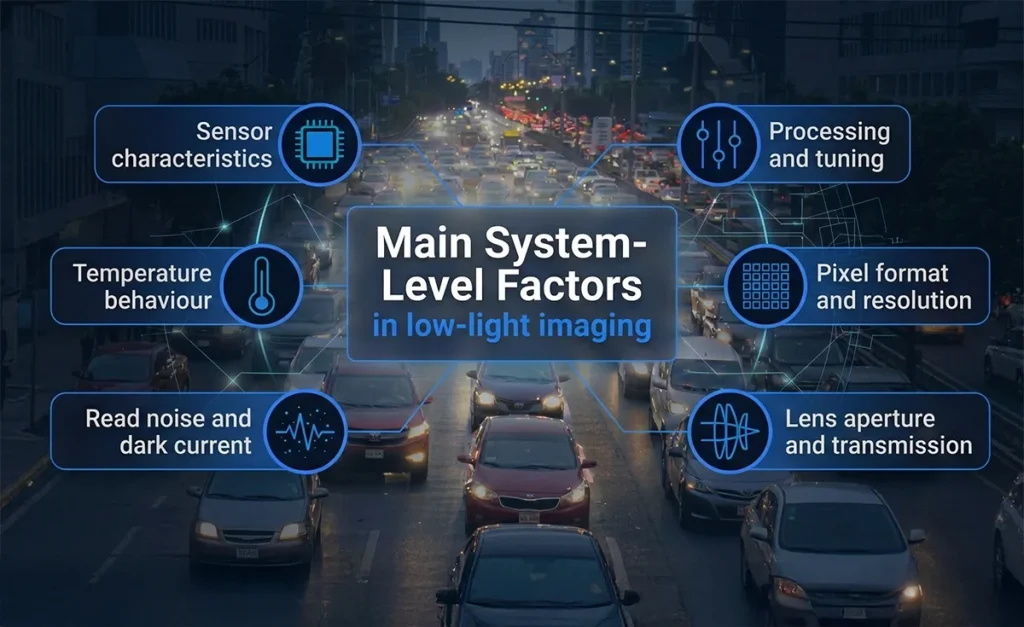
At RESTAR FRAMOS, working daily with Sony image sensors, we often hear: “Which sensor is best for low light?” The honest answer: it starts with the sensor – but doesn’t end there. Sony’s STARVIS™ , STARVIS 2, and emerging STARVIS 3 families are well suited to low-light rolling shutter applications, with high sensitivity and strong SNR […]
IMX925 & IMX926: Even higher speed with framerate boost mode

Sony’s IMX925 and IMX926 sensors can now run even faster thanks to a new Frame Rate Boost Mode, which adjusts internal pixel timing to push FPS higher. The IMX925 (24.55 MP) and IMX926 (12.41 MP) are Global Shutter sensors featuring 2.74 µm square pixels. To achieve these speeds, some internal pixel operations are altered, resulting […]
How can you capture clear images in extreme lighting?
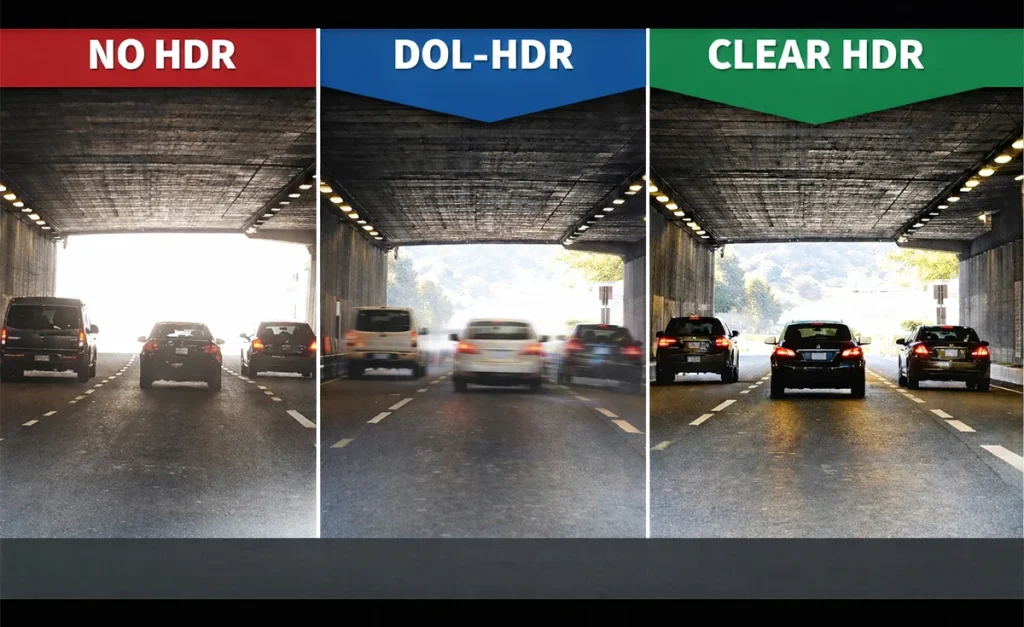
Scenes with very bright and very dark areas at the same time, such as backlit entrances, tunnel exits, or headlights at night, often make imaging difficult. Bright areas can become overexposed, while darker regions lose important detail. Sony STARVIS™ sensors address this with two HDR approaches designed for different situations. Digital Overlap HDR (DOL) DOL HDR captures multiple exposures within […]
Do we need to fine-tune the frame rate of our SWIR sensors?
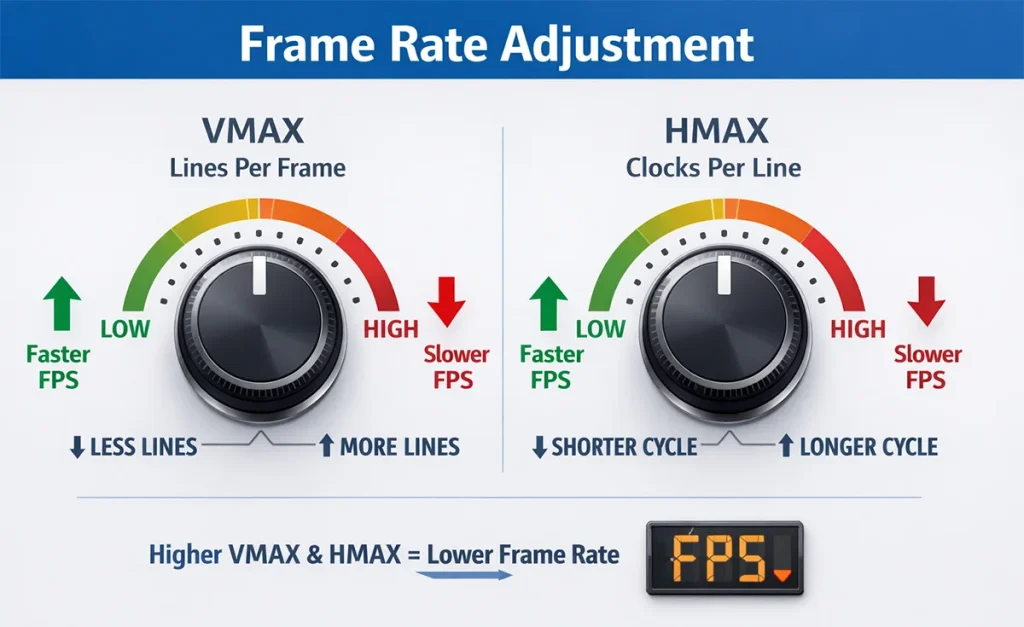
Many engineers start with the default frame rate of a sensor and only revisit it when something stops working as expected. In SWIR imaging, that often means running into bandwidth limits, unstable processing loads, or image quality trade-offs that could have been optimized earlier. The good news is that frame rate can often be fine-tuned […]


